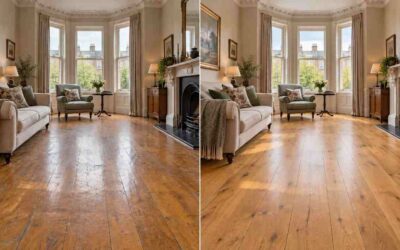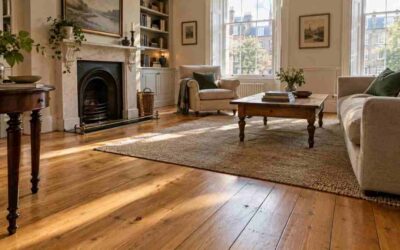
Why Does Floor Sanding Feel Different in Summer?
There is a particular moment, usually sometime in June, when Irish homes begin to open up again. Windows stay ajar from morning onwards, sunlight reaches further into hallways, and long-neglected renovation plans suddenly feel possible. It is often around then that people notice their floors properly for the first time.
The worn patch beside the kitchen table. The fine scratches running through old pine boards in the sitting room. The faded varnish dulled by years of footsteps, dogs, damp coats and winter evenings.
And summer, quietly, is when those floors tend to come back to life.
For anyone considering floor sanding in Dublin or restoring original timber boards, the warmer months have always carried a certain advantage. Not only practically — although the drying conditions certainly help — but aesthetically too. Restored wooden floors simply look their best in natural light. Oak softens. Pine brightens. Grain and texture return in a way artificial lighting never quite captures.
In many Dublin homes, especially period terraces and older red-brick properties, original floorboards are often hidden beneath carpets that have not been lifted in decades. Summer renovations have a habit of uncovering them.
Why Are Summer Conditions Better for Restoring Timber Floors?
Professional floor sanding can be carried out year-round, but summer tends to offer the sort of steady conditions timber responds well to. The air is drier. Rooms ventilate naturally. Finishes settle more evenly when windows can remain open for hours rather than minutes.
There is also less tension in the process itself.
During winter, restoration projects often feel disruptive by nature. Rooms are closed off. Floors take longer to cure. Families gather indoors around the very spaces being renovated. In summer, homes expand slightly. Furniture spills into gardens or conservatories. Doors remain open. Dust sheets become part of a temporary seasonal reshuffle rather than a full domestic inconvenience.
And timber notices the difference too.
Wood constantly reacts to moisture in the air, expanding and contracting almost invisibly through the seasons. By early summer, floorboards in many Irish homes have settled after the dampness of winter. That stability matters during wooden floor restoration, particularly in older houses where boards may already carry decades of movement and repair.
The result is often quieter, smoother work. Finishes cure more consistently. Restored boards feel settled back into the house itself.
How Does Natural Light Change the Look of Restored Wooden Floors?
Freshly sanded timber always looks different in summer light.
Not dramatically. Just better.
Morning light catches the grain running through old pine floorboards. Warm oak tones shift throughout the day. Even matte finishes — increasingly popular in contemporary Dublin homes — develop a softness that feels architectural rather than polished.
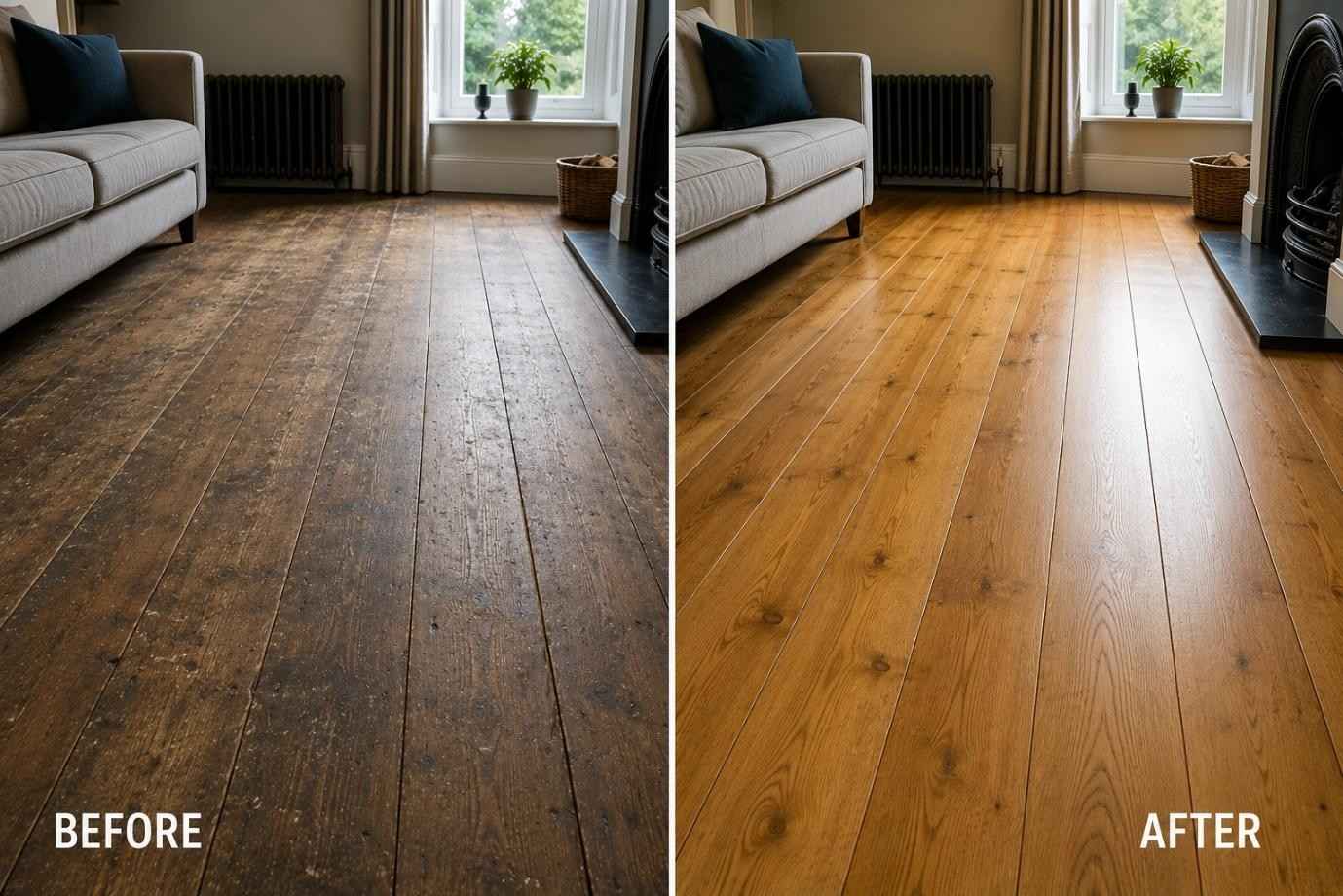
This is often when homeowners realise how much character had disappeared beneath worn varnish or darkened stain.
In Victorian and Edwardian houses especially, restoring original boards can completely alter the atmosphere of a room. Spaces feel brighter, ceilings taller, walls calmer somehow. Timber reflects light differently once it has been properly refinished. The room changes with it.
There is also something undeniably satisfying about seeing restored floors in use immediately afterwards. Bare feet across newly sanded boards. Evening light stretching through open windows. The quiet texture of natural timber returning to daily life.
Why Do So Many Dublin Renovation Projects Happen During Summer?
Partly because Irish people still renovate seasonally, whether consciously or not.
Summer remains the time when people repaint kitchens, tackle extensions, replace doors, uncover fireplaces. Floor sanding naturally falls into that rhythm. The weather is more forgiving. School holidays create flexibility. Longer evenings allow projects to move at a gentler pace.
For older Dublin homes, especially, restoration work often reveals unexpected details. Original pine beneath carpet adhesive. Parquet hidden under vinyl. Old repairs and colour variations that tell the story of the house itself.
The best floor restoration projects rarely feel overly perfect afterwards. They retain some age. Slight movement in the boards. Small imperfections. Evidence of the material rather than complete uniformity.
That is often what people respond to most once the sanding is complete.
Can Summer Floor Sanding Help Protect Floors Before Winter Returns?
By the end of an Irish winter, timber floors have usually absorbed months of moisture, grit and central heating fluctuations. Protective finishes begin wearing thin in high-traffic areas almost without notice.
Restoring floors during summer allows the wood to recover before the cycle begins again.
This matters particularly in entrance halls, kitchens and living spaces where timber takes the brunt of Irish weather — damp shoes, rainwater, garden traffic, the constant movement of family life. A properly refinished floor creates a protective layer before colder conditions return later in the year.
Not every floor needs dramatic restoration, of course. Sometimes it is simply about preserving what is already there.
Old floorboards tend to reward that kind of care over time.
What Makes Original Timber Floors Worth Restoring?
There is growing appreciation again for natural materials that age properly. Original timber floors sit firmly within that shift.
Unlike synthetic flooring, older wood develops texture and variation through use. Pine softens. Oak deepens in tone. Even small marks become part of the room rather than damage to conceal.
In Dublin homes, particularly period properties, restoring existing boards often feels more appropriate architecturally than replacing them altogether. The proportions remain right. The materials belong to the house.
And while modern finishes have improved enormously in durability, the appeal of restored timber is still largely emotional. Rooms feel warmer. Quieter. More grounded.
Not pristine. Just lived in well.
A Few Practical Questions About Summer Floor Sanding
Does floor sanding dry faster during summer?
Generally, yes. Warmer temperatures and better airflow help finishes cure more evenly, which can reduce disruption within the home.
Can old floorboards still be restored?
Often surprisingly well. Many period homes in Dublin contain original timber beneath carpets or laminate flooring, and professional sanding can reveal remarkable character underneath years of wear.
Is summer the busiest time for floor sanding in Dublin?
Typically it is. Many homeowners prefer scheduling wooden floor restoration during brighter months when ventilation and household flexibility are easier to manage.
Isn’t it time you restored classical charm to the floors of your house?
There is a particular calm that restored wooden floors bring to a house once the work is finished. The dust sheets disappear. Furniture returns slowly to place. Evening light moves across newly sanded boards in a way that makes the entire room feel lighter, quieter, more considered.
In older Dublin homes especially, restoring timber floors rarely feels like a cosmetic change alone. It reconnects the house to its original materials — pine, oak, parquet — surfaces shaped gradually over decades rather than installed overnight.
Summer simply suits that process. The open windows, the longer days, the ease of movement through the house while work is underway. Everything settles a little more naturally.
And the floors do too.
Artisan Flooring works with homeowners across Dublin to restore original timber floors, from Victorian floorboards to contemporary oak flooring, using finishes chosen to suit the character and rhythm of each home. Contact us today.