
Why So Many Dubliners Are Asking “Floor Sanding Near Me”
Wooden floor sanding has become the go-to renovation upgrade for Dublin homeowners seeking a fresh look without replacing their floors. It’s transformative, cost-effective, and sustainable—perfect for uncovering hidden beauty in original timber or reviving worn flooring. This guide answers all your top questions, including cost, time, and value. We even have a page with the title Floor sanding near me Dublin.
1. How Much Does It Cost to Get a Floor Sanded in Dublin?
In Dublin, the typical cost for sanding only is around €15–€20 per m², while sanding and varnishing averages between €25–€30 per m²—depending on timber type and room size. These are ballpark figures; your final quote may vary based on flooring condition and prep work. For a precise estimate, request a survey from a local specialist.
Sanding rates can also vary depending on whether you’re dealing with reclaimed timber, parquet patterns or floors that need repair. Don’t forget that small extras—like gap filling or stair sanding—can nudge your total up.
Contractors like Artisan Flooring will usually provide a detailed estimate that accounts for prep, sanding, varnishing and cleanup—making it easier to budget without surprises.
2. How Much Does It Cost to Have a Floor Professionally Sanded?
Professional services typically include dustless sanding, minor repairs, gap filling, and up to three coats of finish. Packages range between €25–€30 per m² for standard jobs, rising for reclaimed timber, complex layouts, or stairs. These full-service quotes often offer clearer value and longer-lasting results than DIY.
Hiring a professional isn’t just about saving time; it’s about getting a clean, even finish that lasts. Professionals use commercial-grade machines that provide better results with less dust and disruption.
Plus, pros are more likely to spot hidden issues such as loose boards, historic damage or uneven subfloors—and can repair them before refinishing.
3. Is Floor Sanding Worth It?
Absolutely. A well-sanded floor can increase property value, improve aesthetics, and extend longevity. Testimonials frequently praise the dramatic results.
Restored timber floors are a selling point in Dublin’s competitive property market, especially in period homes where original features add major appeal.
Beyond value, a newly finished floor transforms a space, lifting light levels, reducing allergens, and giving your home a well-cared-for feel.
4. How Much Does It Cost to Sand Down a Wooden Floor?
If you’re looking for sanding only without varnish, Dublin rates typically start around €15–€20 per m². Adding varnish, oil, or stain increases packages by another €10–€15 per m², depending on finish type and coats required.
Some homeowners opt to do the varnishing themselves, but this can lead to patchy results if the floor isn’t evenly sanded or properly cleaned first.
Hiring a team to handle both sanding and finishing ensures better consistency and durability—especially in high-traffic areas like kitchens and hallways.
5. How Long Does Floor Sanding Take for a Typical Dublin Home?
For a standard 20 m² room, expect the process to take one full day, plus 1–2 days for drying between coats. Larger or multiple rooms extend the timeline. Most contractors can complete 50–60 m² in 1–2 days. Finish type and weather (which affects drying time) also factor in.
While the sanding might be done in a day, drying time is just as important. Most finishes need at least 24 hours before you can walk on the floor and up to 72 hours before furniture can be returned.
To speed up the timeline, ask about fast-drying products or hardwax oils, which cure quicker but still offer good protection.
6. Can I Sand Wooden Floors Myself or Should I Hire a Pro?
DIY sanding is possible, but often leads to uneven results, lingering scratches, and dust issues. Professionals operate industrial dustless sanders and include prep, repairs, and expert finishing. If you’re not confident, the difference in quality and cleanliness makes hiring a pro worthwhile.
Even hiring sanding machines from a local hire shop can cost more than expected—and mistakes can be costly to fix later.
You’ll also spend time clearing dust, fixing uneven patches, and dealing with loud, clunky gear—all of which a pro takes care of in half the time.
7. What’s Involved in the Floor Sanding Process?
The process includes: initial inspection and minor repairs, multi-step sanding (coarse to fine grit), gap filling, applying finish, drying, and optional buffing. A transparent quote should clearly outline all steps and include dust control.
Professionals will usually edge and hand-finish corners, stairs and awkward spots for consistency.
Modern equipment ensures a cleaner job with less impact on your home’s air quality.
8. What Type of Finish Should I Choose: Matte, Satin, or Gloss?
Matte gives a modern look with scratch resistance, satin offers a soft sheen that hides marks, and gloss delivers a polished, reflective finish. The best choice depends on room use, lighting, and personal preference.
Matte is increasingly popular in contemporary homes and high-traffic zones like hallways.
Gloss tends to suit formal rooms and period properties, while satin is a reliable all-rounder for family living areas.
9. Can You Sand Engineered or Laminate Floors?
Engineered wood can be sanded once or twice, provided the top layer is thick enough (3–6 mm). Laminate floors cannot be sanded. Always confirm with your flooring contractor before proceeding.
Some engineered floors are mistakenly sanded too deep, damaging the decorative layer. Professionals measure the wear layer before starting work.
If you’re unsure what kind of floor you have, a pre-job inspection will save time and money.
10. Will Sanding Fix Squeaky or Damaged Floors?
Sanding helps with surface issues like scratches and uneven wear, but won’t fix deep dips or structural subfloor problems. Reputable contractors often include minor repairs like re-securing loose boards.
If squeaks are from boards rubbing, sanding and tightening usually sorts them. If it’s a joist issue, you might need a builder involved.
Always raise any floor movement concerns during the quote stage so they can be assessed properly.
11. Is Floor Sanding Dusty and Messy?
Modern dustless machines eliminate up to 98% of dust. Some fine particles may escape, especially at edges, but contractors use extractors and barriers to contain mess.
Always ask your contractor about dust control—it’s a hallmark of professional service.
Post-job cleanup should be included in your quote, so you’re not left hoovering fine dust for days.
12. How Often Should Wooden Floors Be Sanded?
Floors usually need sanding every 10–15 years, depending on foot traffic and wear. Light re-coating can extend this, and mats or rugs can reduce surface damage.
Hallways and kitchens might need sanding sooner, while bedrooms often last longer.
Following a simple care routine—like using felt pads on furniture—can double your floor’s life between treatments.
13. What Should I Do to Prepare My Home for Floor Sanding?
Remove furniture, clear access routes, and ensure pets and children are kept away during work. Most contractors will offer guidance or even assist with moving items.
You’ll also need to plan for time out of the space—up to 72 hours for some finishes.
Leave windows open if possible, especially in summer, to help the varnish cure more evenly.
14. Why Dubliners Prefer Sanding Over Replacing Floors
It’s cheaper, faster, and better for the environment. Plus, most original floors are higher quality than modern replacements.
You keep the character of your home while updating the finish to suit your style.
And when done by professionals like Artisan Flooring, you’ll get results that last for years with minimal maintenance.
Ready to Book Floor Sanding in Dublin?
Floor sanding offers unmatched value: it restores beauty, adds value, improves air quality, and extends floor life—all for a fraction of replacement cost.
Want an accurate cost estimate and tailored advice? Contact Artisan Flooring today for a free, no-obligation survey. Let’s uncover your floor’s full potential.
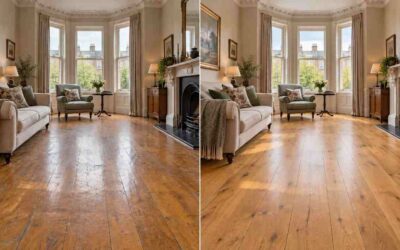
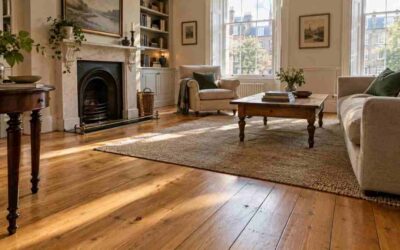
Royalty free Image from PixaBay to support the SEO Search