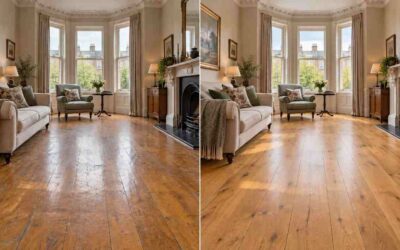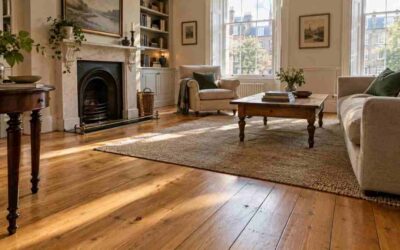
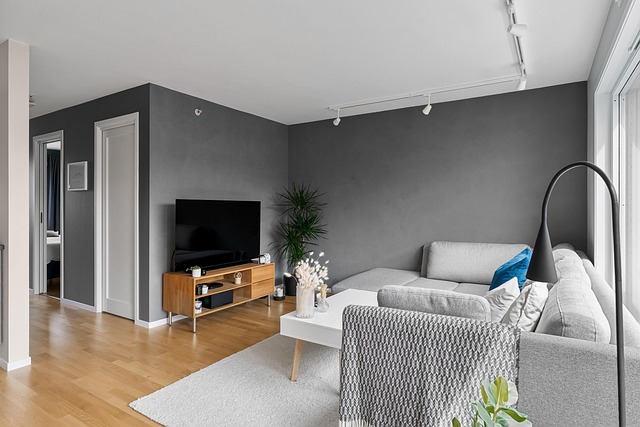
Not All Wood Floors Are Equal When It Comes to Sanding
Most types of real wood flooring can be sanded and varnished, including solid wood, engineered, and parquet styles. But not every floor is suitable. Some materials can’t withstand sanding at all, while others require extra care. This guide walks you through 7 types of floors that can be safely restored in Ireland—and 3 that are best avoided.
1. Solid Wood Floors – The Best for Sanding and Varnishing
Solid wood floors are ideal for sanding. Made from a single piece of timber, they can usually be refinished multiple times.
These floors are common in period Irish homes, often in the form of pine or oak floorboards. Their depth means they can withstand several sanding cycles over the years without losing structure. If your floors are in good shape but look worn, sanding and varnishing will bring them back to life.
Check for previous sanding by measuring the depth or consulting a pro. Even heavily scratched boards can often be saved.
2. Engineered Wood Floors – Yes, If the Wear Layer Is Thick Enough
Engineered wood floors can be sanded once or twice, provided the top layer (wear layer) is thick enough.
Typically, a wear layer of at least 3mm is required for safe sanding. These floors have a plywood base with a hardwood veneer, which means you can’t go too deep without hitting the sub-layers.
If you’re unsure about the thickness, have a flooring expert assess it before starting any work.
3. Parquet Floors – Sandable, But Requires a Skilled Touch
Parquet floors can be sanded and varnished as long as they’re made from real wood and the blocks are thick enough.
Their intricate patterns and changing wood grain directions make them tricky to sand, so it’s best left to experienced professionals. When done right, parquet sanding delivers stunning, high-end results.
Varnishing parquet protects the detailed design and adds a rich finish that enhances light and texture.
4. Herringbone Floors – A Classic Option That Can Be Refinished
Herringbone floors are a type of parquet that can be sanded and refinished just like standard blocks.
These stylish floors are found in both heritage and modern Irish homes. Their interlocking pattern is robust but needs careful sanding to maintain precision at the joints.
Professionals typically use smaller machines and hand-finishing techniques to keep edges crisp and avoid over-sanding.
5. Old Floorboards – Perfect for Restoration If Structurally Sound
Many older homes in Ireland hide original timber floorboards under carpet or laminate. If they’re solid and free from rot, they can be sanded and finished beautifully.
These floors often need repairs—nail holes filled, gaps sealed, and boards re-secured—but once restored, they become standout features in any room.
A test patch in a corner can help confirm whether your boards are suitable.
6. Hardwood Strip Floors – Durable and Sandable
Hardwood strip floors, common in mid-century homes, are generally thick enough to handle several sanding cycles.
Whether laid in straight lines or custom patterns, they respond well to professional refinishing and suit both modern and traditional interiors.
After sanding, you can choose from oil, matte, satin or gloss finishes depending on your desired style.
7. Reclaimed Wood Floors – Beautiful, But Requires Extra Care
Reclaimed timber floors can be sanded, but their condition and thickness vary, so assessment is key.
These floors often come from salvage yards or renovation sites and may contain nails, surface damage, or uneven planks.
When restored correctly, they deliver unique character and sustainability credentials that new floors can’t match.
3 Types of Floors You Shouldn’t Sand (Or Should Only Sand With Caution)
Not all flooring materials are suited to sanding and varnishing—even if they look like real timber. Some can be permanently damaged by sanding, while others might only tolerate the lightest touch. Here are three common types of flooring in Irish homes that require caution—or should be avoided altogether.
1. Laminate Flooring – Not Real Wood, Can’t Be Sanded
Laminate is a synthetic surface printed to look like wood. It cannot be sanded and will be ruined if you try.
If your laminate floor looks worn, replacement is the only option. Sanding will strip away the protective layer and expose MDF or fibreboard underneath.
Always confirm your floor material before attempting any refinishing.
2. Vinyl or LVT Flooring – Not Suitable for Sanding or Varnishing
Vinyl and luxury vinyl tile (LVT) floors are made from plastic or composite materials and cannot be sanded.
Like laminate, they are designed for visual effect, not for refinishing. Trying to sand them will damage the surface and void warranties.
If these floors are dull or damaged, replacing the affected sections is your best option.
3. Thin Engineered Floors – Risky If Under 2mm Wear Layer
Engineered wood with a wear layer under 2mm is generally too thin to sand safely.
Attempting to refinish them risks exposing the plywood base or damaging the surface. In these cases, buffing or light re-coating may be possible instead.
Always check the floor’s specifications or get a pro to measure the top layer before proceeding.
What Does It Cost to Sand and Varnish a Floor in Ireland?
In Ireland, sanding and varnishing costs typically range from €25–€30 per m² for solid or engineered floors with a good wear layer.
Parquet and herringbone floors may cost more due to detailed work. Stairs, landings and tricky corners can also increase the price.
For the most accurate price, schedule a free on-site quote—companies like Artisan Flooring offer detailed estimates tailored to your floor type.
Know Your Floor Before You Sand
Most wooden floors in Irish homes can be restored through sanding and varnishing, but it’s vital to know what you’re working with. Solid wood and thick engineered floors are the safest bets, while laminates and thin veneers should be avoided.
If in doubt, book a professional floor assessment. It could save you time, money, and costly mistakes.
Need help deciding if your floor can be sanded? Contact Artisan Flooring for expert advice and a free, no-obligation survey.