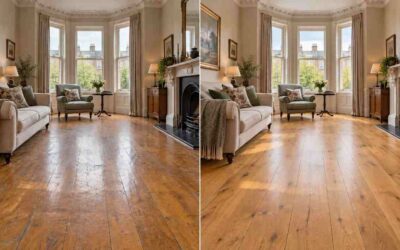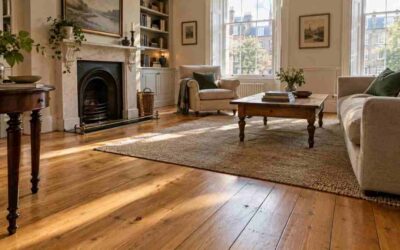
In Dublin, wooden floors are part of the city’s architectural identity. From Georgian townhouses to 1930s semis and modern apartments, timber flooring remains both practical and enduring. Over time, however, even well-installed floors show wear. Before replacing them, it’s worth understanding why professional wooden floor restoration in Dublin is often the more practical, economical and sustainable choice.
1. Why Is Wooden Floor Restoration Essential for Period Homes in Dublin?
Wooden floor restoration preserves original timber boards in Dublin period homes while protecting architectural character and increasing long-term property value. Sanding and refinishing maintain authenticity without compromising durability.
Many homes across Dublin still have original pine or oak boards hidden beneath carpets or worn finishes. Restoration protects these heritage features rather than removing them.
Why Does Wooden Floor Restoration Matter for Property Value in Dublin?
In Dublin’s competitive housing market, restored original wooden floors significantly improve buyer appeal. Period features combined with a professional finish increase both perceived quality and resale value.
- Original floors increase buyer appeal
- Period details add character modern materials can’t replicate
- Preservation supports long-term property value
Restoring rather than replacing keeps the history of the home intact while making it suitable for modern living.
2. Is Wooden Floor Sanding and Refinishing Cheaper Than Replacement in Dublin?
In most cases, wooden floor sanding and refinishing in Dublin is significantly more cost-effective than full replacement. It restores the existing structure rather than removing and reinstalling new materials.
Replacement involves material costs, removal, disposal, subfloor work, and installation. Restoration focuses on improving what is already there.
What Are the Financial Advantages of Wooden Floor Restoration?
Wooden floor restoration reduces renovation costs by eliminating the need for new materials and major structural work. It maximises the value of existing timber while limiting disruption and waste.
- Lower material costs
- Reduced labour compared to full replacement
- No need to remove and dispose of existing timber
For solid wood floors in reasonable condition, restoration is almost always the more economical solution.
3. How Does Wooden Floor Restoration Increase Property Value in Dublin?
Professionally restored wooden floors improve presentation and appeal in Dublin’s competitive property market. Clean, evenly finished timber floors create a strong first impression and signal good maintenance.
Freshly finished floors immediately improve the overall feel of a property.
What Do Buyers Look for in Restored Wooden Floors in Dublin?
Buyers are drawn to well-maintained original features and durable finishes. Professionally restored wooden floors suggest quality workmanship and long-term care.
- Well-maintained original features
- Durable, low-maintenance surfaces
- Neutral finishes that suit modern interiors
A professionally restored floor supports both aesthetic appeal and resale potential.
A professionally restored floor supports both aesthetic appeal and resale potential.
4. Can Floor Sanding Remove Scratches, Stains and Water Damage from Wooden Floors?
Yes, professional wooden floor sanding removes surface-level damage including scratches, dents, old stains, and light water marks. It exposes fresh timber beneath worn finishes.
Daily use gradually wears down protective coatings.
What Types of Damage Can Wooden Floor Restoration Fix?
Wooden floor restoration addresses common surface damage that builds up over time, restoring a uniform and smooth appearance.
- Pet scratches
- Furniture scuffs
- Sun fading
- Minor water staining
Once refinished, the floor looks renewed while retaining its original structure.
5. Why Are Protective Floor Finishes Important After Wooden Floor Sanding?
Applying a protective finish after wooden floor sanding seals the timber and protects it from moisture, heavy foot traffic, and staining. The finish determines long-term durability.
Without a proper seal, newly sanded timber is vulnerable.
What Benefits Do Modern Wooden Floor Finishes Provide?
Modern finishes protect restored wooden floors from daily wear while offering aesthetic flexibility and improved indoor air standards.
- Improved resistance to spills
- Protection against heavy foot traffic
- Options from matte to satin to gloss
- Low-VOC solutions for healthier indoor air
Choosing the correct finish ensures the restoration delivers lasting performance.
6. Does Wooden Floor Restoration Improve Indoor Air Quality in Dublin Homes?
Yes, restoring and sealing wooden floors reduces trapped dust, allergens, and grime that collect in cracks and worn finishes over time.
Old finishes deteriorate and allow dirt to embed in the surface.
How Does Floor Sanding and Sealing Improve Hygiene?
Sanding and sealing wooden floors creates a smooth, sealed surface that is easier to clean and maintain, reducing allergen buildup.
- Sealing gaps and surface cracks
- Removing built-up contaminants
- Creating a smooth, easy-to-clean surface
This is especially beneficial in family homes and properties with pets.
7. Is Wooden Floor Restoration More Sustainable Than Replacing Timber Floors?
Restoring existing wooden floors extends their lifespan and reduces environmental impact compared to full replacement. It avoids unnecessary waste and additional manufacturing.
Replacement carries both material and transport costs.
What Are the Environmental Benefits of Wooden Floor Restoration?
Wooden floor restoration reduces landfill waste and lowers the carbon footprint associated with new flooring production.
- Less landfill waste
- Lower material consumption
- Reduced transport emissions
- Extending the life of durable hardwood
In Dublin’s growing focus on sustainable living, restoration supports responsible renovation.
8. Can You Change the Colour of Wooden Floors During Restoration?
Yes, wooden floor restoration provides the opportunity to change stain, tone, or finish once sanding exposes fresh timber. This allows for aesthetic updates without structural change.
Many homeowners use restoration to modernise interiors.
What Colour Options Are Available During Floor Restoration?
Sanding creates a clean base that allows a wide range of stain and finish options to suit contemporary or traditional interiors.
- Dark walnut tones
- Natural Scandinavian finishes
- Grey-washed effects
- Traditional oak warmth
This flexibility allows style updates without replacing the original timber.
9. Can Wooden Floor Restoration Fix Squeaky or Loose Floorboards?
Yes, professional wooden floor restoration includes repairing loose, damaged, or squeaky boards before sanding begins. Structural preparation ensures long-term stability.
Repairs are completed before finishing.
What Structural Repairs Are Included in Wooden Floor Restoration?
Wooden floor restoration often involves stabilising and strengthening boards to improve comfort and longevity.
- Securing loose boards
- Replacing damaged sections
- Levelling uneven areas
Addressing these issues ensures the finished floor performs as well as it looks.
10. How Much Does Wooden Floor Sanding and Varnishing Cost in Ireland?
Wooden floor sanding and varnishing in Ireland typically costs between €25–€35 per square metre, depending on floor condition, timber type, and finish selected.
Costs vary depending on several factors.
What Factors Affect the Cost of Wooden Floor Restoration in Dublin?
The total cost of wooden floor restoration depends on floor size, timber condition, repairs required, and finish type.
- Size of the area
- Type of timber
- Required repairs
- Chosen finish
A professional assessment provides the most accurate estimate and confirms suitability for restoration.
11. Why Do High-Traffic Dublin Homes Benefit Most from Floor Restoration?
Homes with heavy footfall experience faster surface wear. Wooden floor restoration renews protective coatings and strengthens durability in these high-use areas.
Urban living increases wear on timber surfaces.
What Are the Benefits of Floor Restoration in High-Traffic Areas?
Restoring wooden floors in busy areas extends lifespan and improves ease of maintenance.
- Renewed protective coating
- Improved durability
- Easier cleaning
- Longer lifespan of original timber
Regular maintenance prevents surface wear from developing into structural damage.
Conclusion: Restore First, Replace Only If Necessary
In Dublin, wooden floor restoration is often the practical, economical, and sustainable choice. It protects heritage, improves hygiene, enhances durability, and increases property appeal—all without the cost and disruption of replacement.
If your floors are scratched, faded, or worn, restoration may be the right solution.
Considering wooden floor restoration in Dublin? Contact Artisan Flooring for a professional assessment and expert advice tailored to your home.
Royalty free Image from PixaBay to support content Developed by 3R.