Wooden flooring remains one of the most desirable features in Irish homes, combining durability with natural beauty. Two of the most popular choices are solid wood plank flooring and parquet flooring, each offering distinct advantages in style, longevity, and practicality.
While both options use real timber and can dramatically enhance a property, they serve slightly different purposes. Solid wood floors are often valued for their simplicity, strength, and longevity, while parquet floors are admired for their distinctive patterns and architectural impact.
Understanding the benefits of each can help homeowners choose the flooring that best suits their space, lifestyle, and long-term plans.
What Are the Main Benefits of Solid Wood Floors Compared to Parquet Flooring?
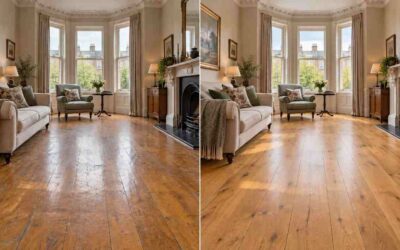
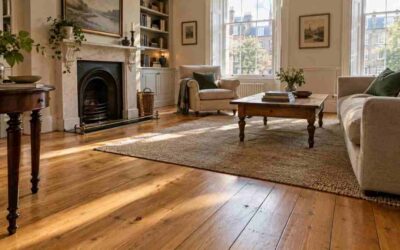
Solid wood floors are valued for their longevity, durability, and ability to be sanded multiple times over decades. Unlike parquet blocks, which may have thinner wear layers, solid wood planks are made from a single piece of timber, allowing extensive restoration and long-term structural stability.
Solid wood flooring is often the preferred choice for homeowners who want a long-lasting, low-maintenance solution.
Why Are Solid Wood Floors Known for Their Long Lifespan?
Solid timber floors can be sanded and refinished many times throughout their lifetime. This means they can last for generations when properly maintained.
Key lifespan advantages include:
- Can be sanded and refinished multiple times
- Often lasts 50–100 years or longer
- Restores easily after scratches or wear
- Ideal for long-term home ownership
Because the boards are made from solid timber rather than layered materials, restoration is straightforward and can be repeated many times without weakening the structure.
Why Are Solid Wood Floors Easier to Maintain Than Parquet Flooring?
Solid wood plank floors are generally easier to clean and repair because the boards run in a single direction. Parquet floors contain multiple smaller pieces arranged in patterns, which can require more careful maintenance.
In busy households, simple cleaning and maintenance can make a significant difference.
What Makes Solid Wood Floors Easier to Clean and Maintain?
Solid wood floors typically require less specialised maintenance compared to patterned parquet surfaces.
Maintenance benefits include:
- Simple sweeping and vacuuming
- Easy refinishing of entire surfaces
- Straightforward board replacement
- Less complex cleaning routines
Because the boards are uniform in size and direction, maintenance and repairs tend to be simpler than with patterned floors.
How Do Solid Wood Floors Improve Indoor Climate and Comfort?
Solid timber floors naturally regulate moisture by absorbing and releasing humidity from the air. This helps stabilise indoor conditions and contributes to a comfortable living environment.
Wood is a breathable material, which is particularly useful in climates like Ireland’s.
How Does Solid Timber Help Regulate Indoor Humidity?
Timber flooring can adapt to changes in humidity, helping to balance moisture levels inside the home.
Climate benefits include:
- Absorbing excess humidity in damp conditions
- Releasing moisture when indoor air becomes dry
- Helping stabilise indoor comfort levels
- Supporting healthier air circulation
This natural responsiveness makes solid timber flooring well suited to homes where indoor air quality and comfort are priorities.
Do Solid Wood Floors Increase Property Value More Than Other Flooring Types?
High-quality solid wood flooring is widely recognised as a premium feature in residential properties. Many buyers associate solid timber floors with durability, authenticity, and long-term value.
As a result, well-maintained wooden floors can enhance a home’s market appeal.
Why Do Buyers Prefer Homes with Solid Wood Floors?
Solid timber floors are often seen as a sign of quality construction and lasting materials.
Property value benefits include:
- Strong visual appeal during viewings
- Perception of durability and craftsmanship
- Compatibility with many interior styles
- Long lifespan that appeals to buyers
For many homeowners, installing or restoring solid wood floors is viewed as a worthwhile investment.
What Are the Advantages of Parquet Flooring Compared to Solid Wood Planks?
Parquet flooring offers a distinctive visual style created through geometric patterns such as herringbone or chevron. While solid wood planks run in straight lines, parquet floors create architectural detail that can transform a room’s appearance.
This makes parquet flooring particularly popular in design-led interiors.
Why Is Parquet Flooring Known for Its Unique Aesthetic Appeal?
Parquet flooring uses smaller timber blocks arranged in patterns that add character and visual movement to a space.
Design advantages include:
- Elegant geometric patterns
- High-end visual appeal
- Ability to create feature floors
- Strong connection to classic European interiors
Parquet floors often become a focal point in living rooms, hallways, and formal spaces.
Is Parquet Flooring More Stable in Changing Temperatures and Humidity?
Engineered parquet flooring is often designed with layered construction that improves stability. This can reduce movement caused by temperature changes or humidity fluctuations.
This stability can be helpful in homes with underfloor heating or varying environmental conditions.
How Does Engineered Parquet Improve Floor Stability?
Engineered parquet boards combine a real wood surface with stable backing layers.
Stability advantages include:
- Reduced expansion and contraction
- Better performance in changing climates
- Compatibility with underfloor heating
- Lower risk of warping
These properties make engineered parquet a popular option for modern homes.
Which Flooring Option Is More Durable: Solid Wood or Parquet?
Both solid wood and parquet floors are durable when properly installed and maintained. The difference lies in structure and repair methods.
Solid wood offers easier restoration, while parquet distributes wear across smaller pieces.
How Do Durability and Longevity Compare Between the Two?
Durability depends on timber quality, installation, and ongoing maintenance.
Durability considerations include:
- Solid wood allows deeper sanding and restoration
- Parquet spreads wear across patterned blocks
- Both can last decades with proper care
- Professional finishing improves protection
Choosing between them often depends on lifestyle and aesthetic preference.
Is Parquet Flooring More Expensive Than Solid Wood Flooring?
Parquet flooring is typically more expensive to install because the patterns require greater precision and labour. However, many homeowners consider the visual impact worth the additional cost.
Installation complexity is one of the main cost differences between the two.
Why Does Parquet Flooring Installation Cost More?
Creating parquet patterns requires skilled craftsmanship and careful alignment.
Cost factors include:
- More complex installation techniques
- Additional labour time
- Precision cutting and layout
- Higher material waste during installation
Despite the higher upfront cost, parquet floors often add a distinctive character to a home.
Conclusion: Choosing Between Solid Wood and Parquet Flooring
Both solid wood and parquet flooring offer long-term durability, natural beauty, and strong property appeal. The right choice often depends on the balance between practicality and design preference.
Solid wood floors are ideal for homeowners seeking durability, easy maintenance, and the ability to restore floors many times over their lifespan. Parquet flooring, on the other hand, offers visual sophistication and architectural detail that can elevate the style of a room.
In many cases, the decision comes down to whether you prioritise simplicity and longevity or pattern and design impact.
If you’re considering installing or restoring wooden floors in Dublin, the team at Artisan Flooring can help you choose the right option for your home. Contact us today for expert advice, professional installation, or a floor restoration consultation.
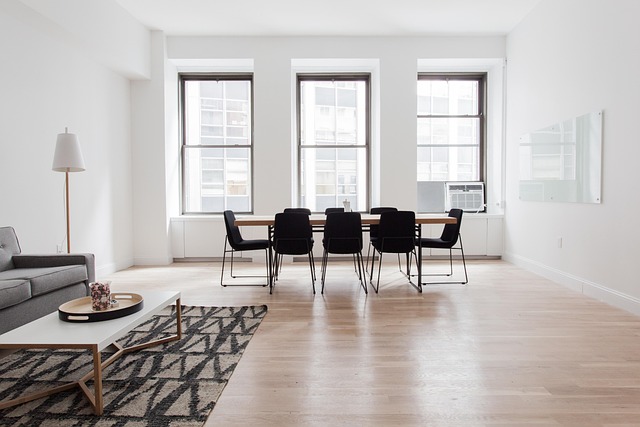
Royalty free Image from PixaBay to support content Developed by 3R for Artisan Flooring.